
You cannot buy a third place
Everyone wants to build community space right now. Most are missing what made the old ones hold, and what it costs to get it back.

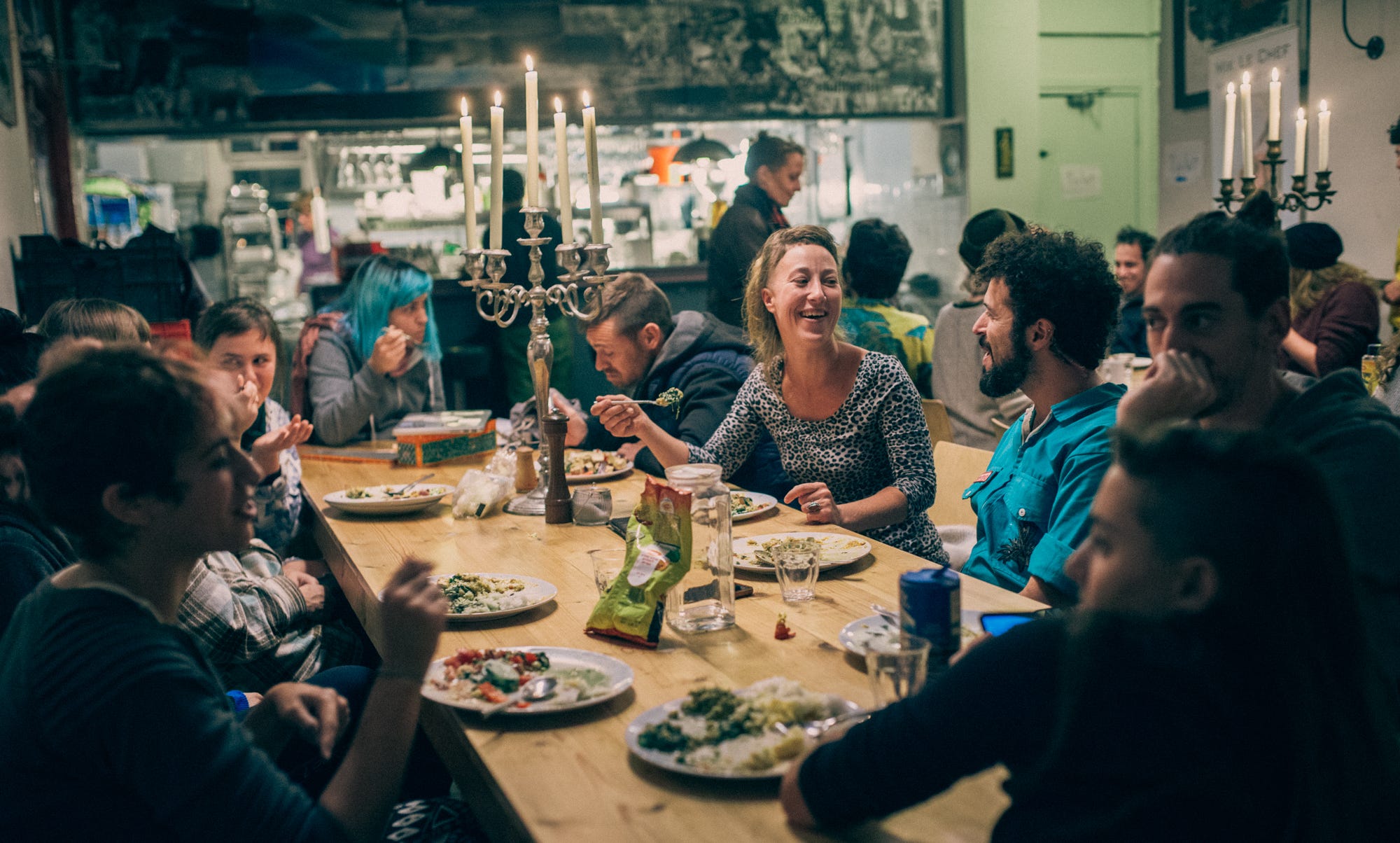
What are third places, actually?
I keep hearing this word everywhere. Everyone wants to build one. Everyone wants to call their community space, or their project, or their business, a third place. People want one inside their own community. Friends text each other about getting a place together, a fablab, a gaming hub, somewhere to run cultural events, or a closed, members-only thing that is basically a private spa. The term is doing a lot of work right now, and in my opinion most of us using it have not stopped to ask what it actually points to.
So start there, because the word is getting used loosely. A third place is the spot that is neither home nor work. Home is the first, work is the second, and the third is where you go to be around other people with nothing in particular to do. The café, the pub, the barbershop, the bookshop with the counter where people lingered. A sociologist named it in 1989, in a book called The Great Good Place, and he was careful about what makes one work. It is neutral ground, where nobody is the host and nobody arrives as a guest. Conversation is the main thing happening. It is close enough to reach on foot. It has its regulars, but a stranger does not feel out of place. It is low-key and cheap. It is open to whoever shows up, the mood is light, and after a while it feels like a second home.
Many people assume wrongly and say third places are free, and most of them never were. Look at the kinds of places on that list: cafés, bars, bookshops, hair salons. Those are businesses. The coffee you bought was the price of getting in the door, not the reason you came, and the gap between those two things is the whole subject of this piece. The same writer noticed that a chain makes a weaker third place than an independent, because the money you spend leaves town instead of staying in the room with you.
There is a math problem underneath it. Third place behavior is one drink nursed for three hours. Survival, for most businesses, is turnover and money spent per head. Those two pull against each other, and in my opinion that tension is the most useful thing to hold in your head before you try to build one.
So why did so many of them go? People did not stop wanting them. The reasons are mostly structural, and mostly American in origin, though they traveled well. Zoning split the houses from the shops, so the corner store became illegal next to where people actually lived. Cars and sprawl killed the walk-to; a place you have to drive to is a place you visit on purpose, not one you fall into. Chains swallowed the independents, then online shopping hollowed out even the chains, and a lot of what used to happen on a stoop or at a counter moved onto a screen.
Now, with most of that gone, people want them back, and a lot of them want to build one themselves, as a business or as a community they will run. I understand the pull. I have felt it. I keep wondering whether the thing we say we miss can survive being owned, and that is where this gets interesting.
What the people building them get wrong
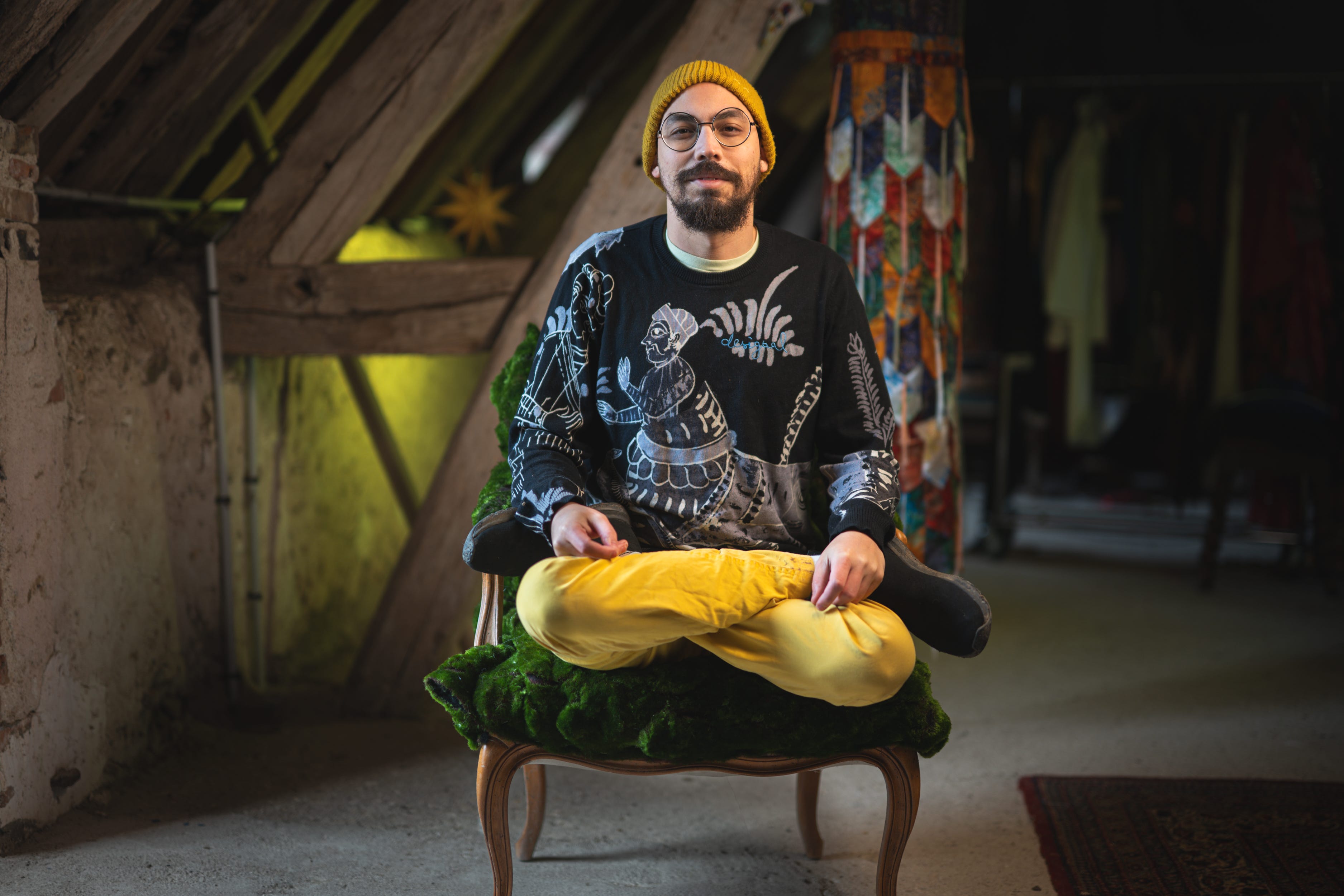
Poli, an AI engineer who spends part of each year at Feytopia, a seasonal community in a château in Burgundy, said something that stuck with me. “I do not know if it is still cool to talk about third spaces,” he told me, “because I think they have been talked about so much but built so little.” He is right, and in my opinion the reason so few get built is that people copy the wrong thing. They copy the look of the place and miss the conditions that made it work.
“I do not know if it is still cool to talk about third spaces, because I think they have been talked about so much but built so little.”
Poli, Feytopia
Tuuli has spent years building those conditions, first at a design factory in Finland, then at a lab she set up at CERN. When she ran a small survey at Feytopia on what actually makes people collaborate, she came back with three: proximity, the room to say a strange idea without managing how you look, and a sense of play. “You don’t need to plan a meeting and schedule and organize and go across town to meet interesting people,” she said. “You can find somebody who sits a meter away from you.” None of that is a feature you install. It is a weather you have to keep.
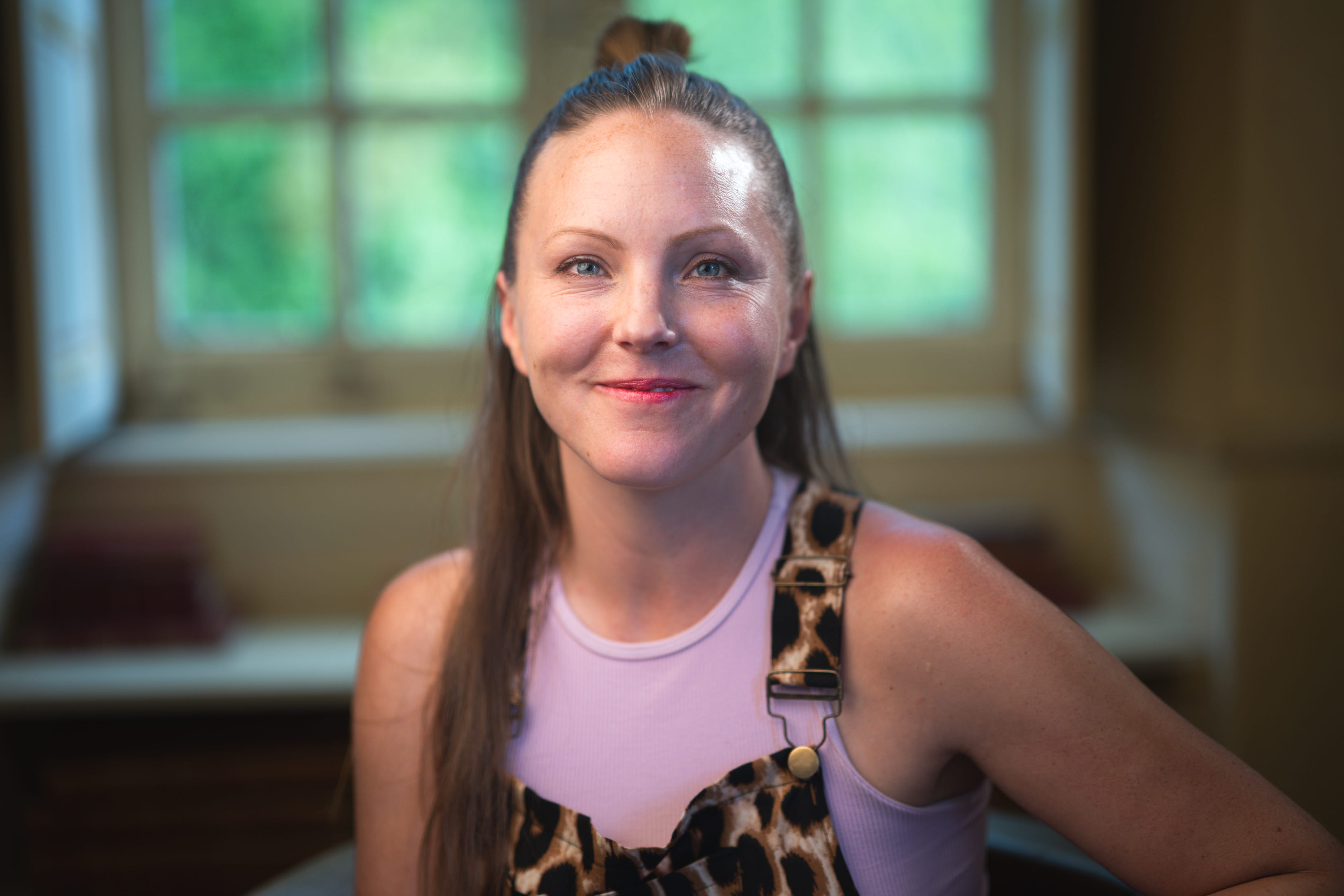
And you cannot put it on a calendar. Tuli told me about an afternoon that started with one person mentioning they had a glitter nail polish in their car. Within an hour, ten people were painting each other’s nails, some for the first time. “There was no effort, coordination, planning, scheduling, timing,” she said. “It just happened.” That is the part most new spaces try to schedule first. They fill the calendar with programming and wonder why the room stays cold.
The reason that fails has a name. Richard Sennett, whose work sits underneath a lot of how I think about this, separates formal cooperation, the meetings and the structure, from informal exchange, the dishes and the shared meal and the unplanned talk. The formal layer only works when the informal one is already alive. Bolt a governance framework onto a room with no informal life and you get meetings that follow the form and produce nothing. The dishes come first. As Tuli put it, “It doesn’t matter if you’re the CEO of Google. If you come here, we’re going to do dishes together.” The unglamorous shared task is what makes the rest possible.
Valerie learned the same thing the hard way. She runs a residency at Life Itself, a hub near Bergerac in France built to feel like a secular monastery. Her first instinct was to schedule everything, a full monastic timetable, all of it mandatory. It did not work. So she cut it back to almost nothing required, and what she kept was the meal. “Dinners are mandatory,” she said, “because that’s where the magic happens.” The rest is optional, and people show up anyway. “The point is definitely to do it together, to do nothing together,” she told me. “And that’s a revolution in itself.” She built a third place by subtracting almost everything except the table.
“Dinners are mandatory, because that’s where the magic happens.”
Valerie, Life Itself
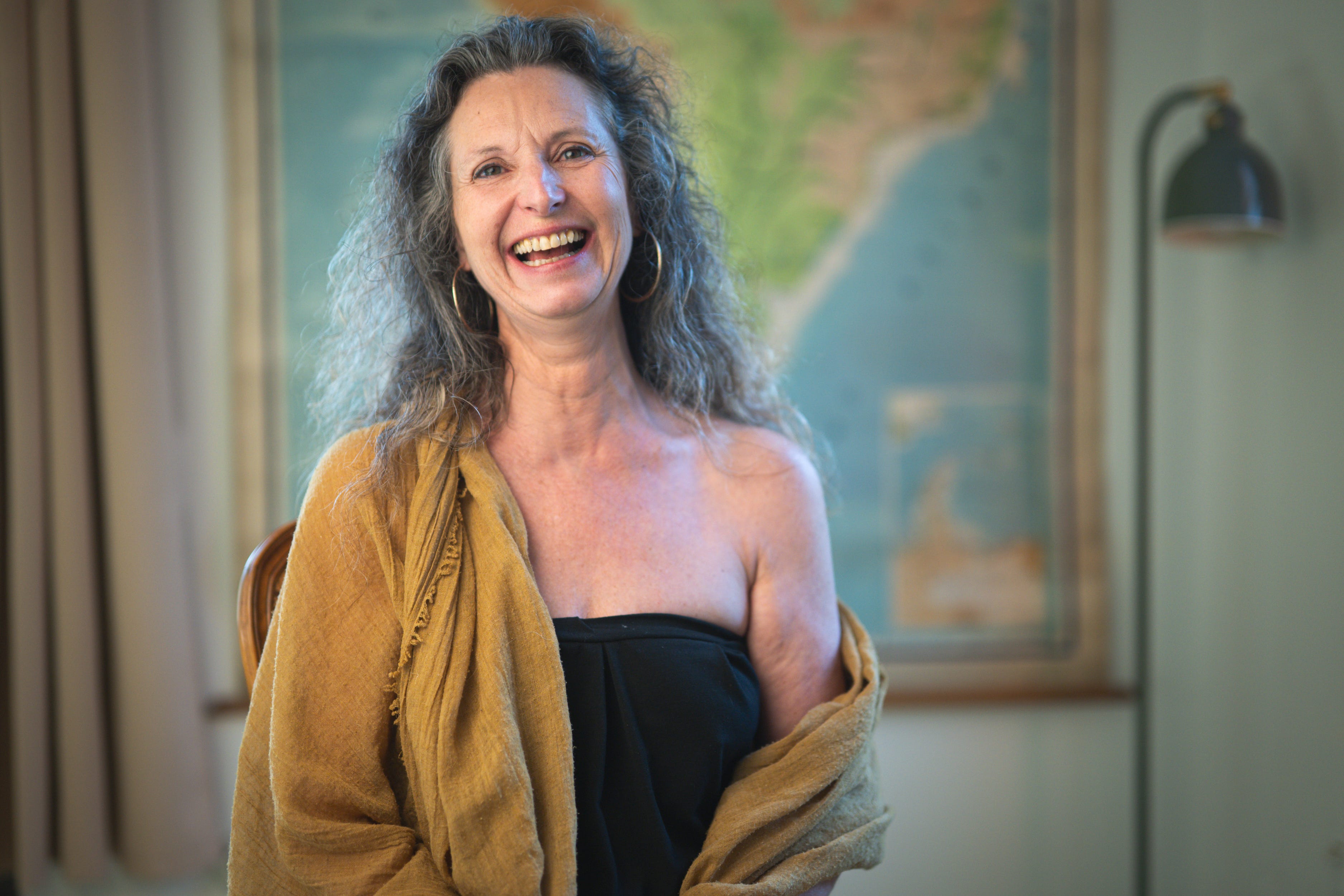
Then there is the question of structure, and here I will be brief because I wrote a whole piece about it already. A lot of new spaces promise no rules and no hierarchy, as if flatness were the same as freedom. Evo, the second person to move into Emerge Lakefront, a residential campus in Stockholm, named the trap directly: “there is a certain kind of fetishization of flat hierarchy.” Evo half-joked that the place “needs a boss,” and described the hands-off founder as “an invisible controller,” always felt and never quite reachable. The conflict that never gets processed does not disappear. “The hallways take a lot of that.” Poli told a version of the same thing from Feytopia: a visitor asked to speak to whoever was in charge, was told there was no one in charge, and replied, “can you bring me to the person that makes sure there is no person in charge.” Primavera, who helped start Feytopia, was blunt about the cost and the fix. “There was a period where we tried to pretend governance was fully decentralized,” she said, “but that invisible centralization created friction.” It got better once the founder’s authority was named out loud instead of left hidden.
The last blind spot is the quietest. Who gets in, and what happens to them once they do. Our own research on membership keeps surfacing the same gap. The most common failure is a missing integration stage, the work of actually absorbing a new person into the culture instead of just admitting them. And if you do not decide who belongs deliberately, you decide it by accident, in favor of people who already remind you of yourself. A room with no stated way in becomes a room that quietly keeps letting in the same kind of people.
If I line those four up, the through line is uncomfortable. Each one is a shortcut around something slow and unglamorous, the part of the work that does not photograph well. In my opinion the people who build the good ones are the ones who refuse the shortcut, and there are fewer of them than there are launch announcements.
So who pays for it?
Go back to the math problem. If a third place runs on one drink and three hours, how does it survive without the money pressure slowly eating the thing that made people come? The archive does not give one answer. It gives two honest poles.
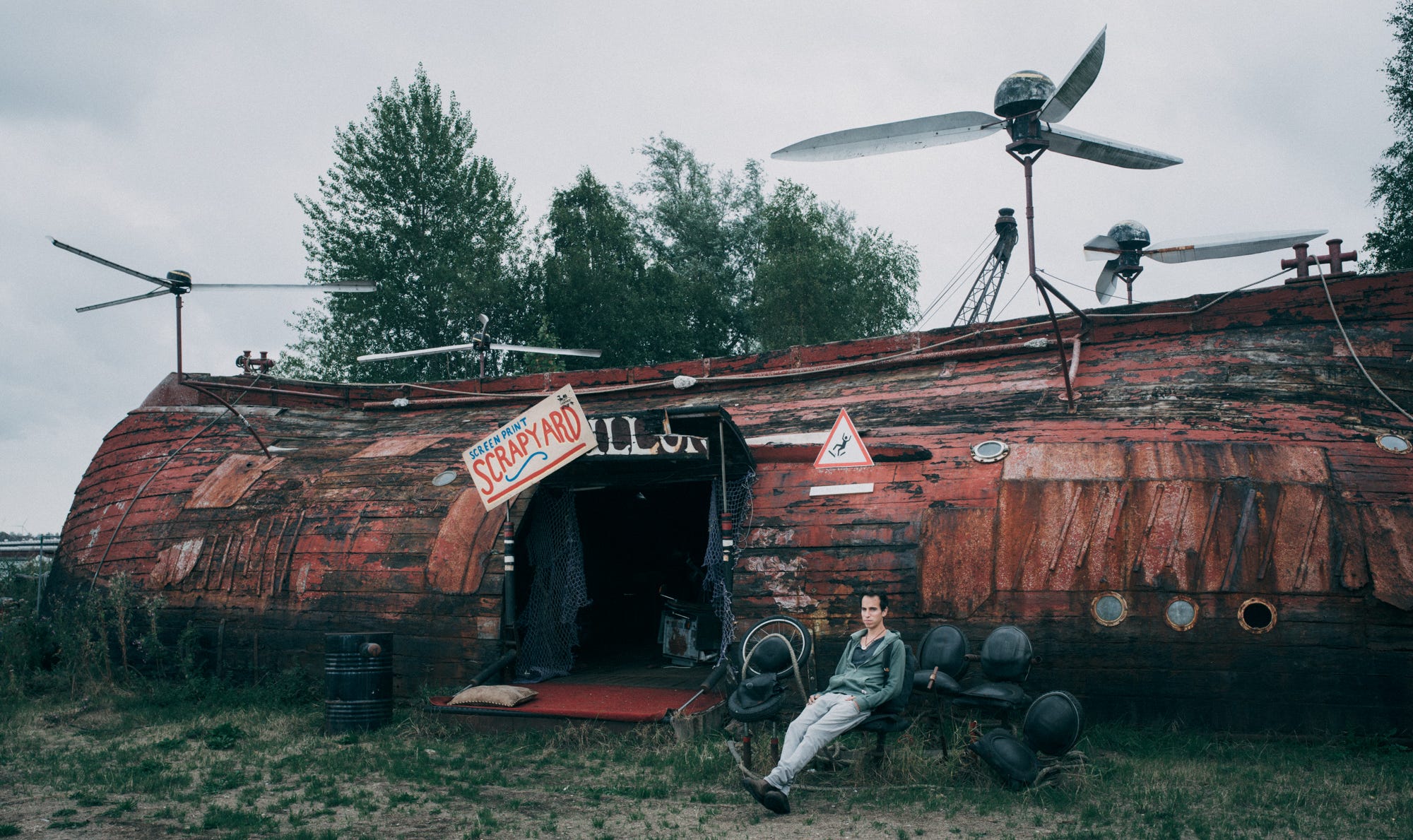
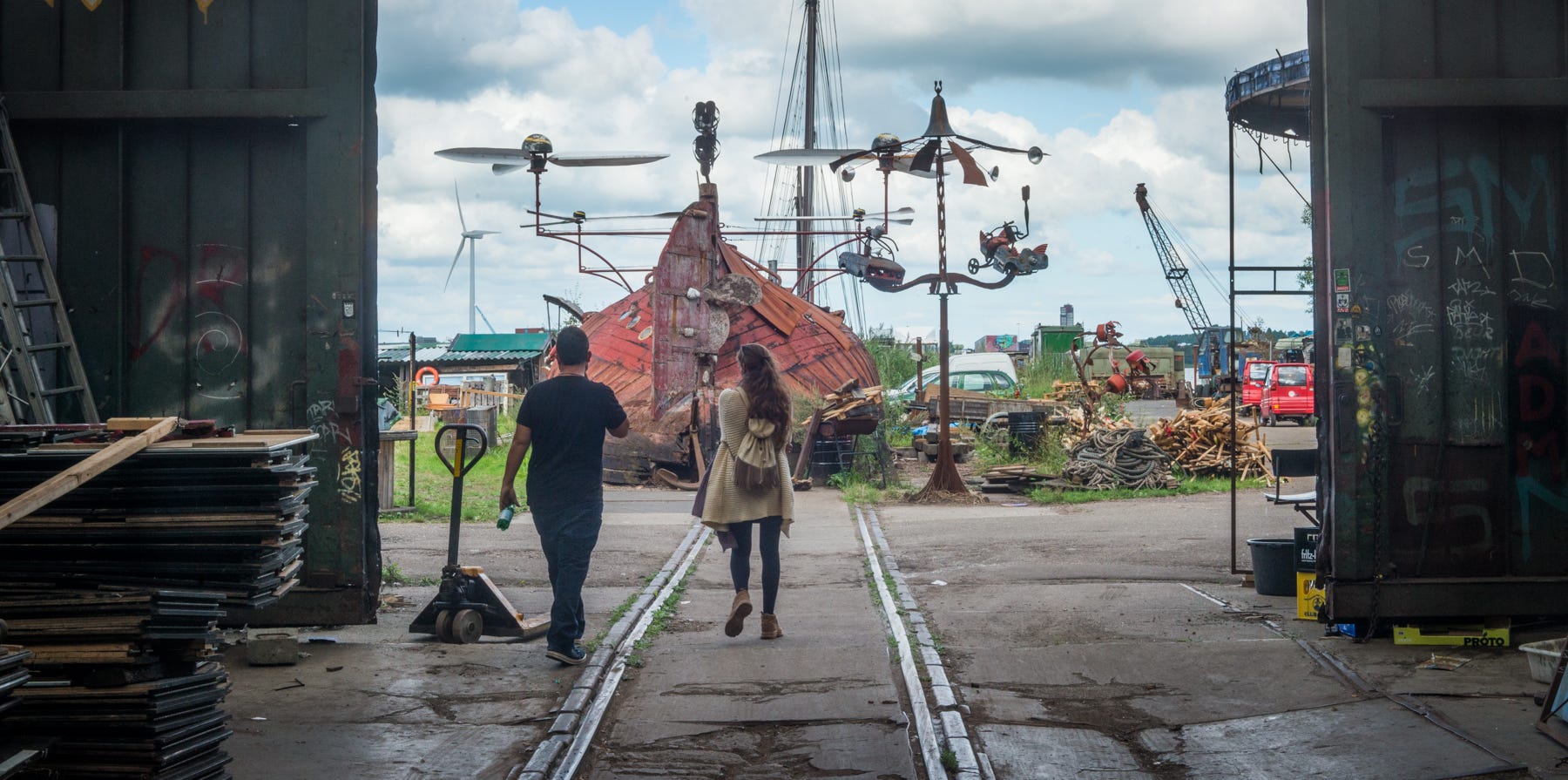
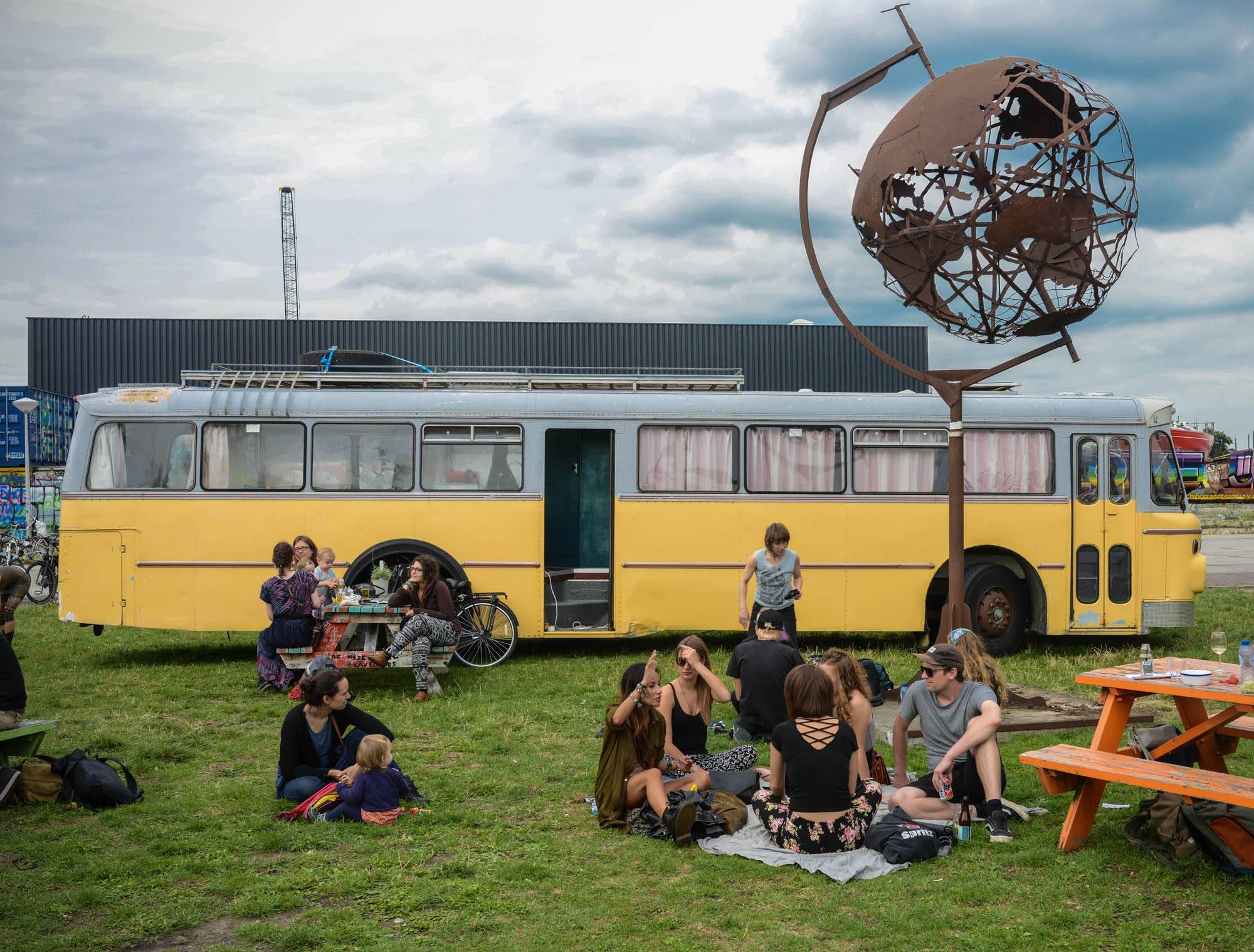
At ADM, the long-running squat in Amsterdam, Eugene has been there almost twenty years, and he was clear about where the freedom came from. “It is the non-ownership which gives the space to do that,” he said. “If there would be ownership among us, it changes already, I think.” No business model at all. Nobody held the asset, so nobody could turn the place toward returns. That worked for two decades, until the eviction, which is its own warning: a space that survives on a tolerated gap survives only as long as the gap stays open.
“It is the non-ownership which gives the space to do that. If there would be ownership among us, it changes already.”
Eugene, ADM Amsterdam
The other pole is Erik, at Nieuw en Meer in Amsterdam. His group ran their space for about thirty years, paying rent the whole time, trying, in his words, “to prove that we can actually do all the organization ourselves.” He put the model down to “a lot of discipline.” It paid for itself, but it was never built to pay anyone back. That is the quiet difference. A business can hold a third place when the money keeps the lights on. It stops being one when the money has to grow.
Poli has watched the second thing happen. He described co-working and co-living places built to extract: “They charge you for everything, even every minute for when you are using the phone booth or whatever, but there is no community. People are alone.” The thing he keeps asking is how you build a space that works well enough as a business and still leaves people feeling, in his words, “like part of it rather than just customers of it.” That is the line a builder has to hold.
So where can a model actually work?
Two places, in my opinion. When the money you take is the price of getting in the door and nothing more, the way the old café worked. And, for anything with a building under it, when you take the building off the speculative market so the rent never has to squeeze the room. There are real structures for this, and we keep a few in our library: steward-ownership, where the people who run a place hold it as a responsibility they cannot sell off; community land trusts; the Mietshäuser Syndikat in Germany, a network built so member houses can never be sold back into the market. None of these make you rich. That is the point of them.
And even with the right structure, the pressure shows up. Shelby runs admissions at Feytopia, and she named the squeeze without me asking. She has to curate who comes, carefully, because the curation is what keeps the place good. She also has to make sure, in her words, that “the chateau will fill up and we won’t have empty beds.” Fill the beds, or keep it good. Most weeks that is the actual job, and the money sits on one side of it.
I do not have a clean answer here. The models that protect a place are the ones that refuse to make anyone rich, and, in my opinion, that is the hardest sell to the people who actually have the capital to start one.
Why do you want to open your own?
Here is the part I would sit with longest. Remember the very first thing on the list: a third place has no host. Nobody owns the room socially. So the urge to “open your own” deserves a hard look, because the words are already in slight tension with the thing.
Shelby gave me the healthy version of holding that power. She called her gatekeeping exactly what it is, “a position of power,” and then framed the whole role as opening a gate to someone else’s dream rather than building her own stage. That is the test, more or less. You are either making neutral ground for other people, or you are making a home you get to run, a room where you are the center. Those are not the same project, and in my opinion most of us mix them up when we say the word.
I am not above this. I have wanted to open my own. (honestly still do) The thing I have learned watching the places that actually hold is that the builders who last are usually trying to give something away rather than keep it. If you want to build one, that is the question worth asking yourself before the lease, before you settle on a name. Are you building a place that could lose you and still be itself? If the honest answer is no, you are building something else, and it is worth knowing that now.
What does it mean to be an active community member?
Almost everything so far is aimed at the person building. But most of us are not building. We are the ones who show up, pay the entry, and decide how much of ourselves to bring. And in my opinion, the health of these places rests on us at least as much as on whoever started them.
I keep thinking about how Eugene described getting into ADM, the long-running squat in Amsterdam. You did not just arrive and take a spot. “There’s always the question,” he said, “of what do you think you can mean for this place?” That is the whole posture. You walk in asking what you can be for the room, not what the room can be for you. The customer asks the second question. The member asks the first.
“There’s always the question of what do you think you can mean for this place?”
Eugene, ADM Amsterdam
The harder part is keeping the people who run it in integrity, and I believe that supporting them and checking them are the same move. Remember Jo Freeman’s point: a place with no visible structure has not removed power; it has only hidden it. The person who shows up can pull it back into the light by asking the plain question out loud: who actually decides here? Not as an attack. As a favor. Primavera said the friction at Feytopia eased once the founder’s authority was named instead of pretended away, and the people best placed to make a founder name it are the ones standing in the room.
You can also carry some of the weight that otherwise crushes the few. Shelby was burning out at Feytopia partly because so much of the invisible labor lands on whoever is holding admin. A member who takes a newcomer under their wing, or vouches for someone and stays responsible for them, lifts a real load off the founder and makes the place sturdier at the same time. And when something is wrong, say it in the room, not in the parking lot. Evo watched conflict at Emerge Lakefront go unspoken until, in Evo’s words, “the hallways take a lot of that.” The hallways are where places rot.
So if you are reading this and you are not going to build anything, you are not off the hook. The most useful thing I can tell you is that these places run on the people who walk in. The founder lights it. The room is kept alive by whoever decides to be responsible for it instead of being a customer. I have been both. The first one is more work, and it is the only one that builds anything.
So what do you actually do with this?
So, back to where this started. Everyone in my messages wants a third place. The fablab, the gaming room, the cultural space, the members-only thing that is basically a spa. I do not think the wanting is wrong. We lost something real, and reaching for it is the right instinct.
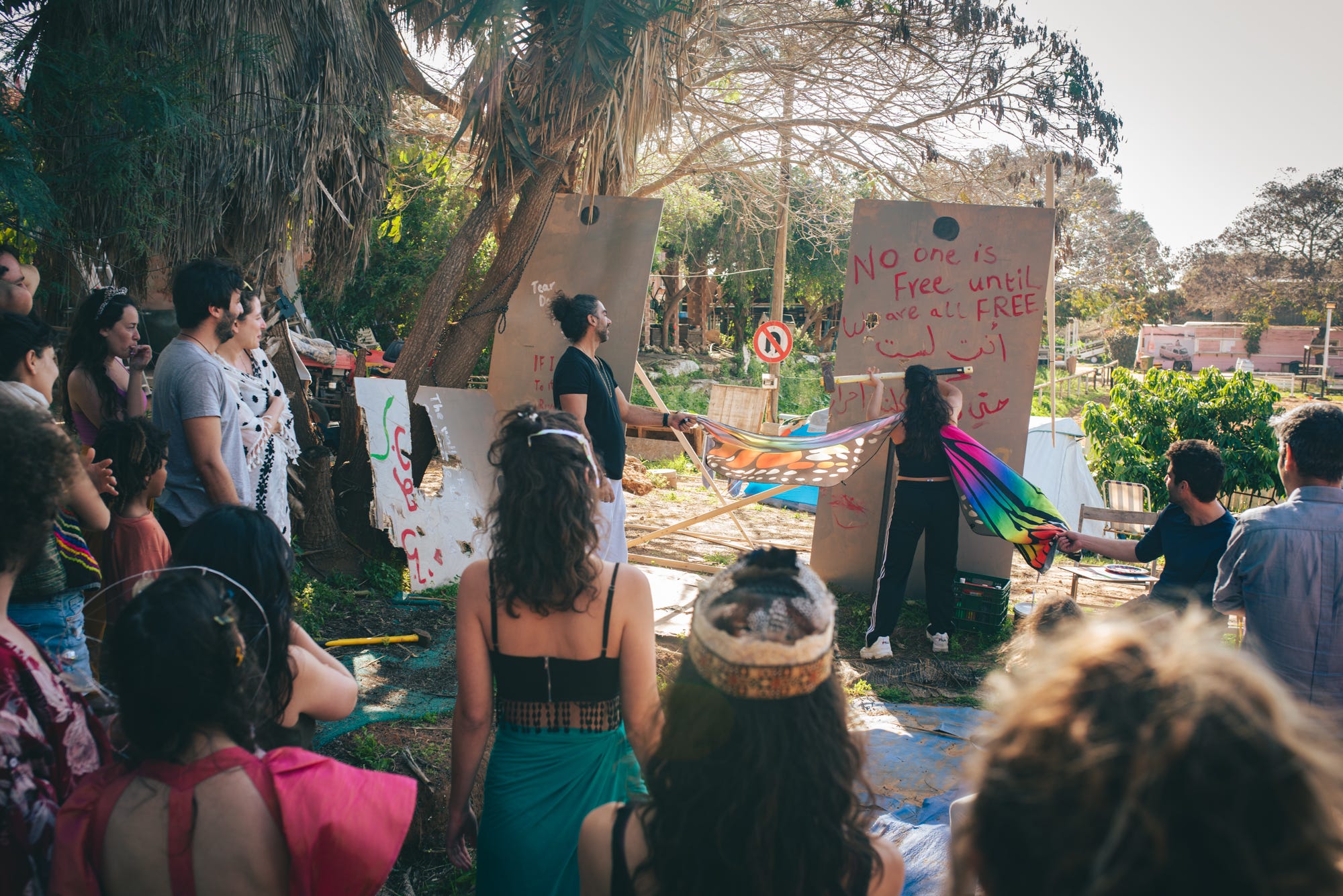
Here is what I would say to them, for whatever it is worth. You probably cannot buy the thing you are describing, and you probably cannot launch it either. The old café worked because it was cheap and had no host, and the same people kept coming back for years. The build-out and the brand had almost nothing to do with it.
So before you go hunting for a space and a name, in my opinion the more honest move is a smaller one. Find the room that is already half there, the bar with the good band, the friend’s garden with the gate left open, and start showing up. Keep showing up, bring something, and ask who is carrying the weight so you can carry some of it. If a real third place ever shows up in your life, that is almost certainly how it arrives, slowly, from the inside, as something you helped keep alive.
If this landed with you
If something here landed, I want to hear about it. Reply, or find me through the archive at togatherproject.eu. This is field research, and the best field research is a conversation.
If you know someone who is building something, a community, a co-living project, a new way of gathering people, send this to them. That is exactly who it is for.
And if you want to support more of this fieldwork, more interviews, more honest documentation of what happens when people try to share a space, ToGather is running a campaign on Artizen.
ToGather is a field research archive documenting how intentional communities around the world govern themselves, coordinate resources, and navigate conflict. The archive holds interviews from communities across Europe, the Middle East, and India. Full archive: togatherproject.eu
I love how you're genuinely curious towards what actually makes or breaks a Third Space. I also think creating it together, and building the community culture to keep it going is a labour of love and true dedication to social cohesion. 'Your greatest lack is your greatest gift' according to a bhuddist monk.
As one, wondering how retirees fit into this social construct...The work part of the building is missing.